The most effective treatments for acne scars are microneedling (collagen-induction therapy), chemical peels, and tailored combination plans — with the right choice depending on your scar type. True scars need to be rebuilt with collagen over a course of sessions, while flat dark or red marks respond to resurfacing and pigmentation care. A doctor-led assessment is the best first step.
First, what kind of acne scars do you have?
The single most important step is correctly identifying what you're treating — because "acne scars" actually covers two very different things. Many marks people call scars are not scars at all, but flat discolouration that fades with the right care. True (atrophic) scars are textural changes in the skin that need collagen rebuilding.
- Rolling scars — broad, shallow, wave-like depressions
- Boxcar scars — wider dips with sharper edges
- Ice-pick scars — small, deep, pinpoint marks (the most stubborn)
- Post-acne marks — flat red (PIE) or brown (PIH) spots, not true scars
Matching the treatment to the scar
Here's a simple guide to what tends to work best for each — though most real plans combine treatments for the strongest result:
| Scar type | What it looks like | Best approach |
|---|---|---|
| Rolling | Broad, shallow depressions | Microneedling (a course) |
| Boxcar | Wider, sharp-edged dips | Microneedling + peels |
| Ice-pick | Small, deep pinpoints | Combination, doctor-led plan |
| Post-acne marks | Flat red or brown spots | Peels, pigmentation care + SPF |
The most effective treatments, explained
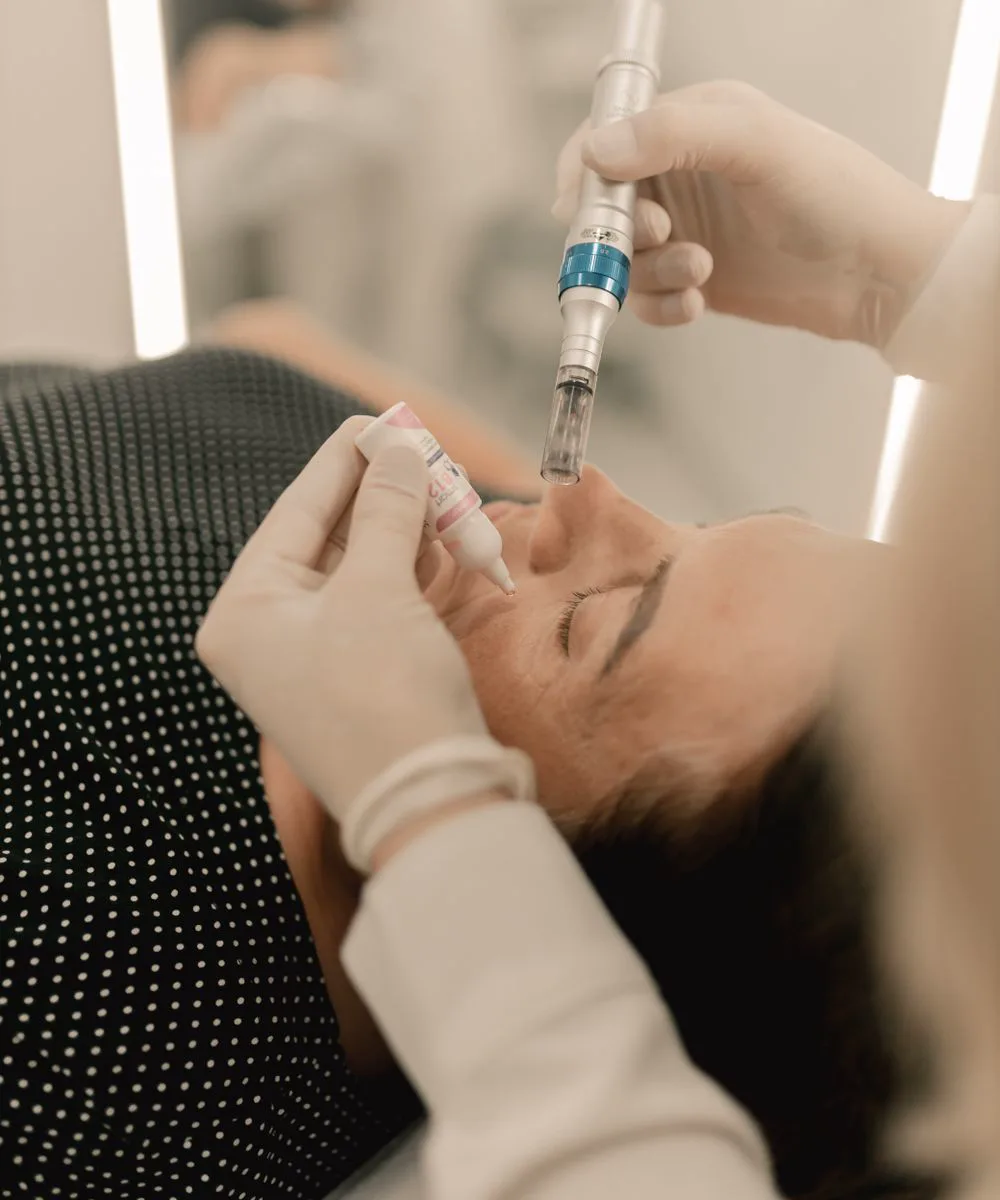
Microneedling is the workhorse for textural acne scarring. By creating controlled micro-channels, it triggers your skin's own collagen and gradually fills and smooths depressed scars over a course of sessions. It's well suited to South-Asian skin when performed carefully.
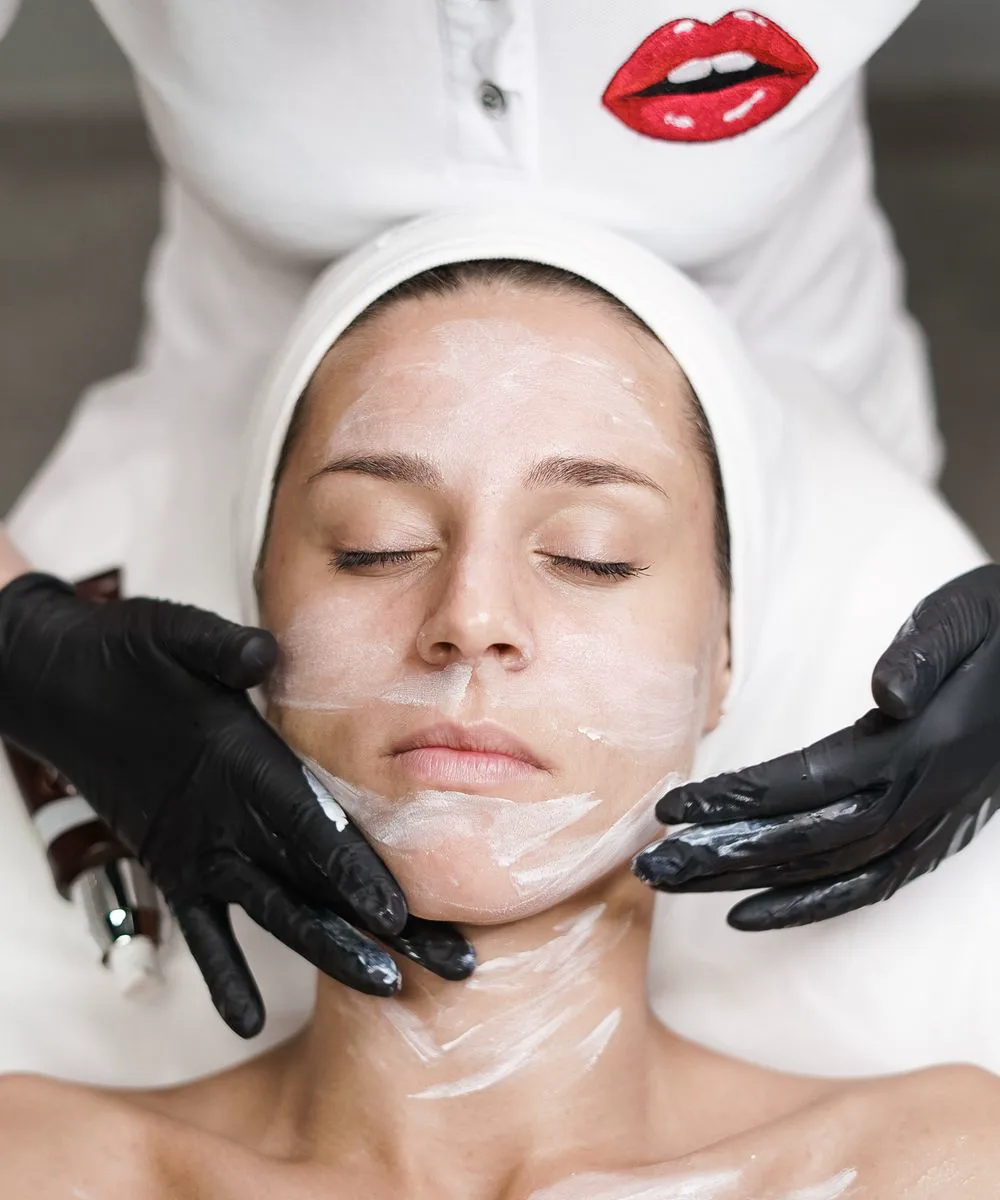
Chemical peels resurface the skin, refine texture and are excellent for fading post-acne marks and brightening overall tone — often paired with microneedling for a layered effect. Strength is tailored to your skin and concern.
For deeper or mixed scarring, a combination plan — microneedling, peels and targeted care, sequenced over time — consistently outperforms any single treatment used alone.
Treating post-acne marks (the dark or red spots)
If your "scars" are flat and just discoloured, you likely have post-inflammatory pigmentation (brown) or erythema (red). These respond well to gentle resurfacing, pigmentation treatment, and — crucially — daily SPF, since sun exposure deepens and prolongs them. Many marks fade significantly with consistency and protection alone.
What results to expect — and the timeline
Be wary of any clinic promising to erase scars in one session. Realistically, textural scars improve gradually across a course of 3–6 treatments spaced about four weeks apart, with collagen continuing to build for months afterward. Most clients see meaningful, lasting improvement — smoother texture and softer scars — rather than a flawless overnight result. Honesty here is part of good care.
Protecting your results
Whatever the treatment, a few habits make a big difference:
- Daily SPF 30+ — the single most important step for any pigmentation
- Don't pick or squeeze active breakouts (it creates new scars)
- Keep skincare gentle and non-comedogenic between sessions
- Stay consistent with your plan — scarring rewards patience
Frequently asked questions
Most acne scars can be dramatically improved rather than erased entirely. A doctor-led course of microneedling and peels typically smooths texture and softens scars significantly, while flat post-acne marks often fade almost completely with treatment and daily SPF.
Yes — microneedling is one of the most effective treatments for depressed acne scars. It stimulates new collagen to gradually fill and smooth the scar over a course of sessions, and is well suited to South-Asian skin when done carefully.
Most people need a course of 3–6 sessions, spaced about four weeks apart, with results continuing to build for months as collagen forms. Deeper or mixed scarring may need a longer, combination plan.
Ice-pick scars are the most stubborn and usually need a tailored, doctor-led combination approach rather than a single treatment. Dr. Beenish will assess your skin and build the right plan during consultation.
Medically reviewed by Dr. Beenish Jahangir, lead practitioner at Voila, Wapda Town, Lahore. Last updated 25 June 2026.